
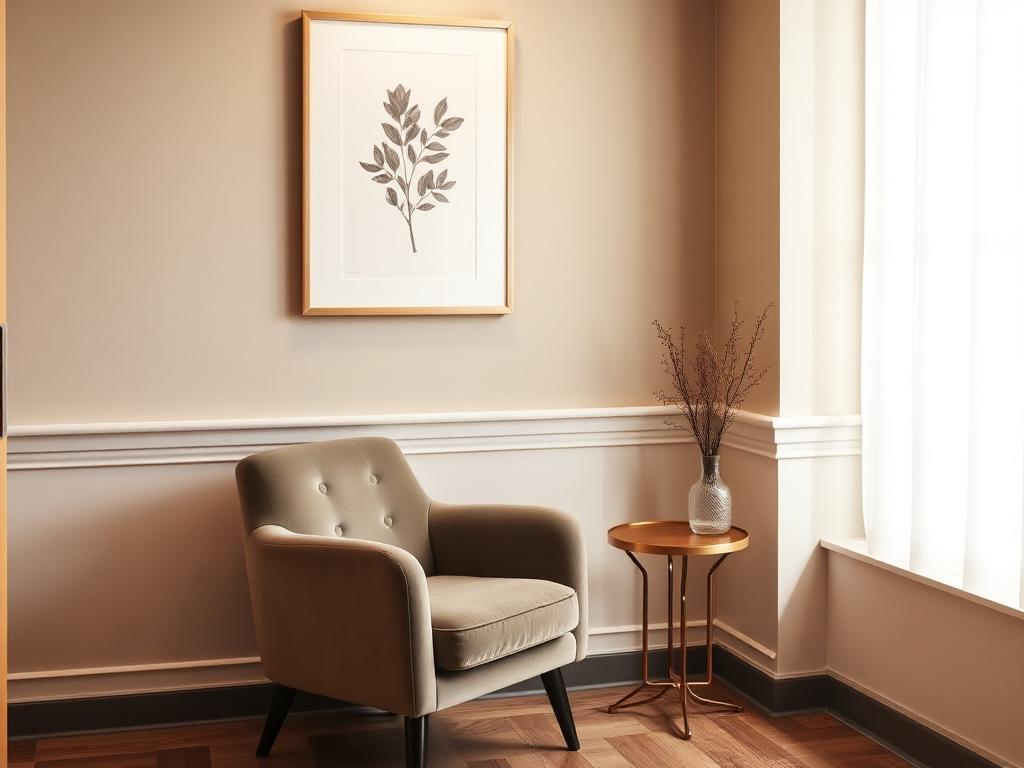
A concierge practice is selling a feeling as much as a clinical service — and the feeling begins at the front door. Patients should sense the difference before anyone greets them. In our work with premium practices, we have found that the physical environment either amplifies or undermines every other operational decision, from scheduling to communication to pricing.
Redefine the waiting room
Most waiting rooms were designed for volume: rows of chairs, a television, a stack of magazines. A concierge practice should treat the wait as part of the experience, not an interval to be tolerated. That means fewer seats, more space per person, natural light where possible, and finishes that feel residential rather than institutional.
We often recommend practices remove the television entirely and replace it with a small curated shelf — a few books, a plant, a candle or diffuser with a subtle scent. These details cost very little and communicate intentionality instantly.
Make exam rooms feel like consultations
The exam room is where clinical trust is won or lost. A concierge exam room should be unhurried: enough seating for a real conversation, a place for the physician to sit at eye level, soft lighting that can be adjusted, and surfaces that do not feel like a hospital.
Small changes matter: a coat hook, a place for a bag, a glass of water offered, a screen positioned so the physician can share information without turning away. These details say the visit is a dialogue, not a transaction.
Carry the language into the small touchpoints
Consistency is what separates a premium practice from a decorated one. The same care should appear in the signage, the intake forms, the appointment reminders, and the follow-up packaging. Typography, color, paper stock, and language all carry the same message if they are chosen deliberately.
We encourage practices to audit every physical and digital touchpoint a patient encounters in a single visit. The list is longer than expected — and the gaps are where the experience falls apart.
The space should never outshine the care. But it should create a setting where careful, unhurried medicine feels inevitable rather than unusual.